

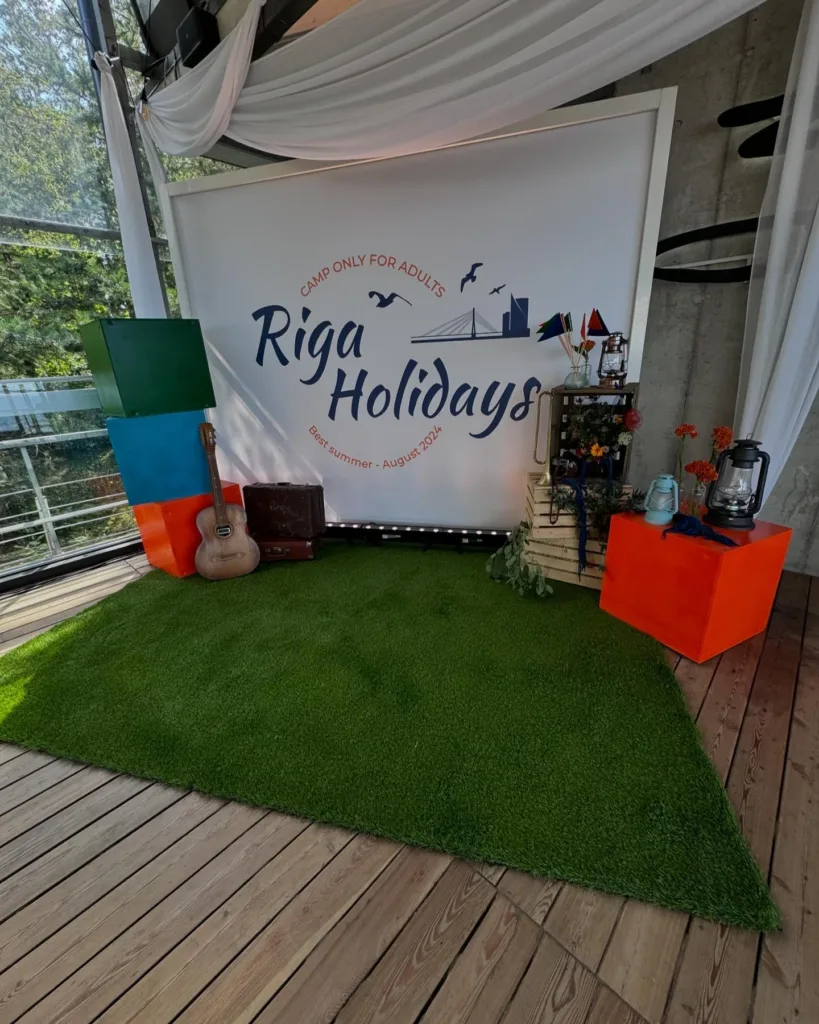
The quick answer: A freestanding drapery backdrop is fabric hung on a telescopic pipe-and-base stand, so it needs no ceiling rigging, nails or wall fixings. It is the fastest way to frame a stage, head table or award wall in a Riga venue. Bon Events rents drapery and stands in heights up to about 4 metres, and a crew of two can put up a typical 6-metre backdrop in under an hour.
Many venues in Riga and across Latvia don’t allow anything to be hung from the ceiling. That includes hotel ballrooms, Old Town halls with listed interiors, manor houses in Vidzeme and Kurzeme, and modern conference centres with suspended ceilings. Freestanding drapērija on drapery stands solves this. The sections below answer the questions event planners, couples and corporate teams ask most often about drapery backdrop rental in Riga.
1. What is a freestanding drapery backdrop, and when do you need one?
A freestanding drapery backdrop is a fabric wall supported by a self-standing frame made of weighted steel bases, vertical uprights and horizontal crossbars. You need one whenever you want a clean, finished background but cannot fix anything to the walls or ceiling.
The most common uses at Baltic events are:
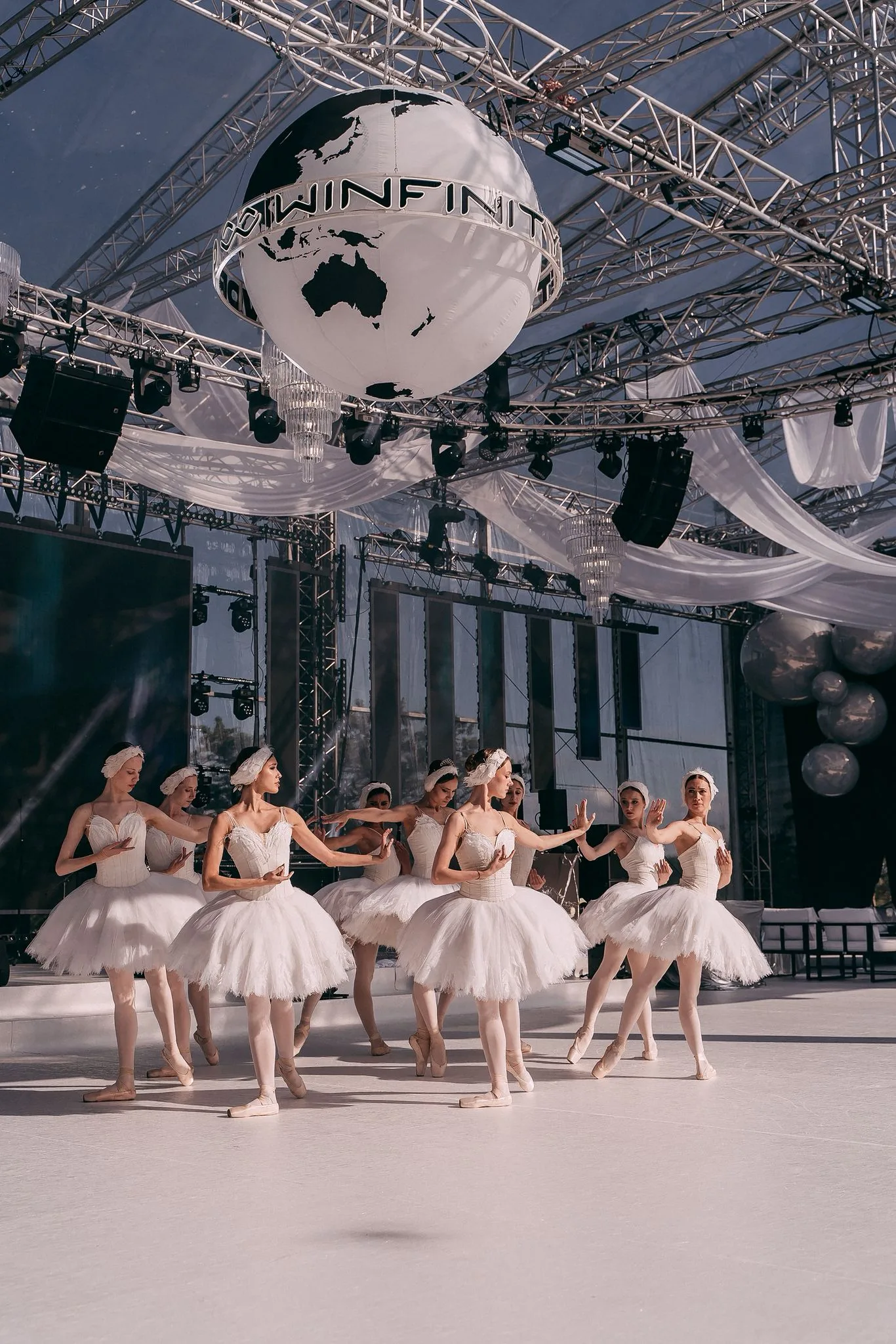
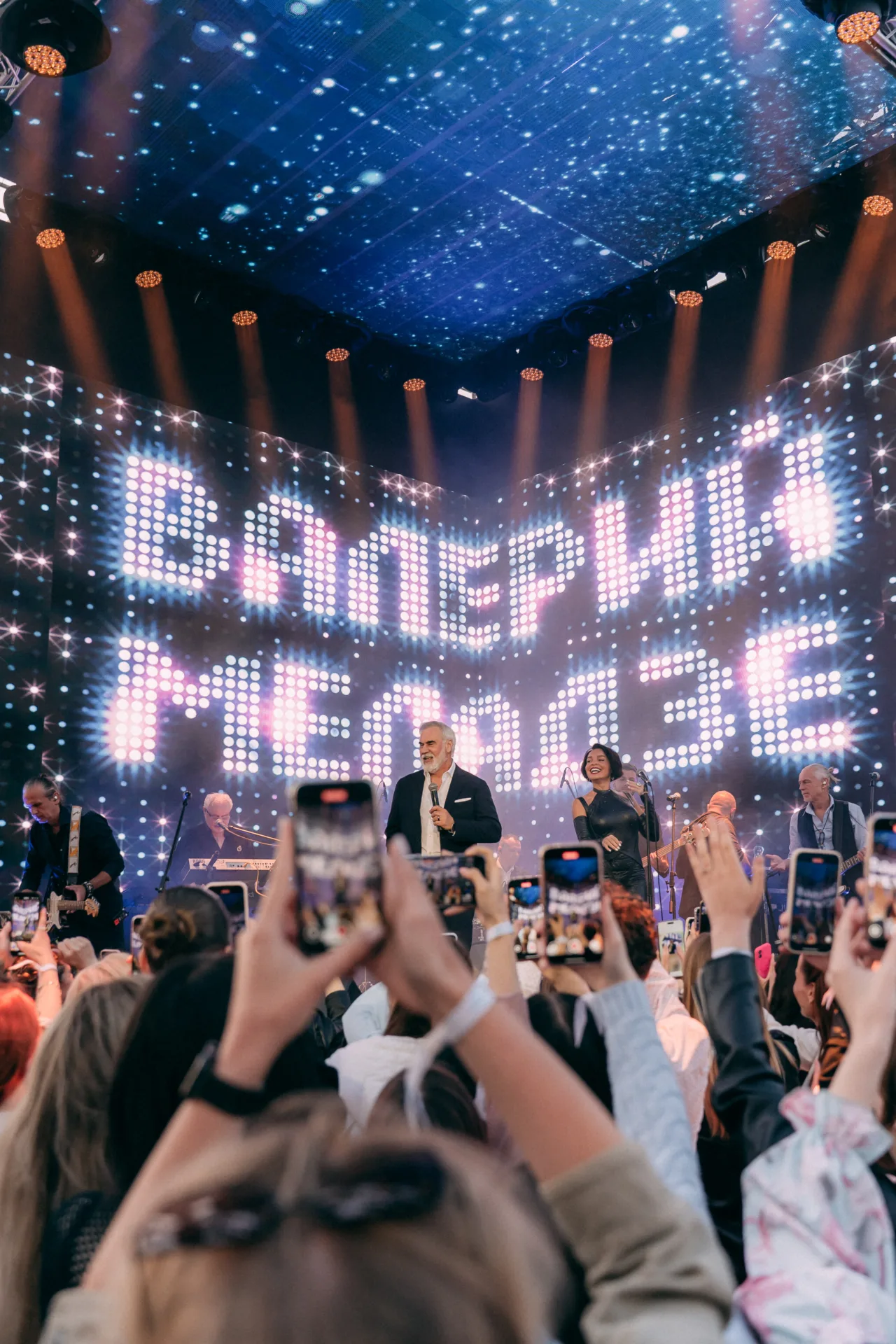
- Stages: hiding technical equipment, cables and service doors behind speakers or a band.
- Head tables: framing the newlyweds or the VIP table at a wedding or gala dinner.
- Award walls and photo zones: giving a neutral or branded background for award presentations and guest photos.
- Room division: splitting a large hall into a dinner area and a back-of-house zone, or hiding an unused section.
The system comes apart into short pieces, so it fits through narrow doors in historic buildings. It also leaves no marks, which is why venue managers usually approve it without discussion. You can browse the full range of drapery stands and matching draperies in the Bon Events rental catalogue.
2. Which drapery fabric is best for a stage, head table or award wall?
For most stages and head tables, a medium-weight opaque fabric gives the best result. Sheer voile or chiffon suits romantic, layered looks, and heavy velvet suits formal evenings and theatre-style stages. The right choice depends on whether the backdrop has to hide things, catch light or look good in photos.
Here is how the main fabric types compare in practice:
| Fabric type | Opacity | Best for | Lighting effect | Typical setup time (6 m wide, 2 people) |
|---|---|---|---|---|
| Sheer voile / chiffon | Low (see-through) | Wedding head tables, ceremony backdrops, layered photo walls | Glows with backlight or fairy lights | 30–40 min |
| Medium-weight polyester (poly-premier type) | Medium to high | Conference stages, award walls, corporate dinners | Takes colour wash (uplighting) evenly | 30–45 min |
| Velvet / heavy stage fabric | Full blackout | Gala stages, theatre-style shows, hiding service areas | Absorbs light; rich, dramatic look | 45–60 min |
| Layered combination (opaque + sheer) | High | Premium head tables, VIP zones, luxury weddings | Depth and soft movement | 50–75 min |
Setup times are typical figures for an experienced two-person crew with all parts on site. Pleating, swags and added florals take longer. For public venues, ask for fabric with flame-retardant treatment. Latvia’s fire safety rules (Cabinet Regulation No. 238) govern decorative materials in public buildings, and many hotels will ask to see this before the event.
3. How tall and wide should a drapery backdrop be?
A drapery backdrop should be at least 2.4 metres tall for a head table and 3–4 metres tall for a stage. It should also be wide enough to extend about 1 metre past each end of the table or stage. Below that height, a standing person’s head breaks the line of the backdrop in photos, and the result looks unfinished.
Telescopic uprights adjust in height, so one set of hardware works in a low-ceilinged restaurant or a tall ballroom. Some practical guidelines:
- Head table for 10–14 guests: 6–8 m wide, 2.4–3 m tall.
- Small conference stage or speaker podium: 4–6 m wide, 3 m tall.
- Main stage at a gala or company anniversary: 8–12 m wide, 3.5–4 m tall.
- Award wall or photo zone: 3–4 m wide, 2.4–3 m tall, often with a banner or logo in front.
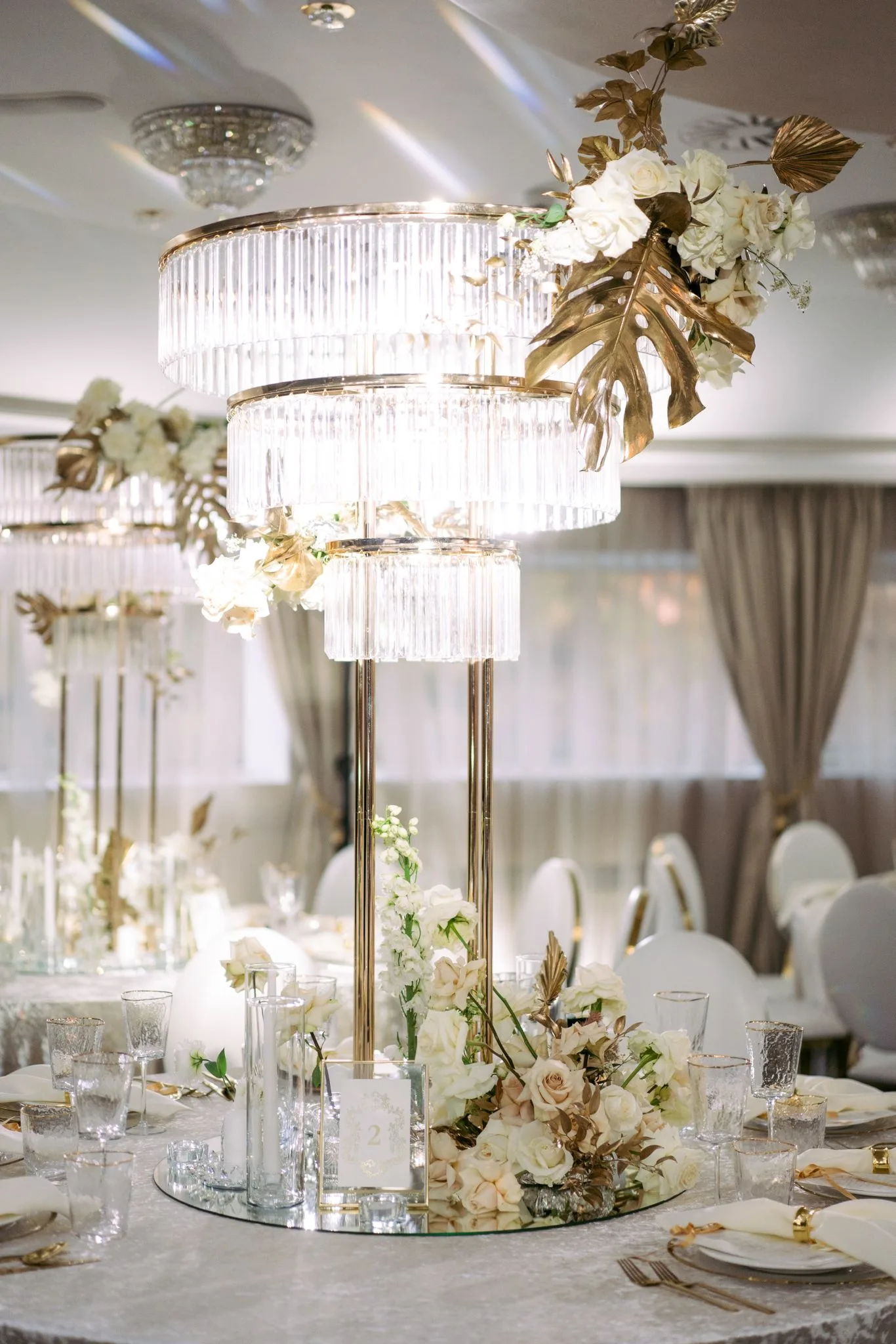
Measure the clear height below any chandeliers, beams or air-conditioning units first. Allow 20–30 cm of clearance so the crossbar can be lifted into place safely. If you want a central focal point, place a chandelier stand in front of the drapery. It gives the effect of ceiling lighting without any rigging.
4. Which drapery colours work best for Baltic weddings and corporate events?
White, ivory and champagne are the most-booked colours for weddings. Black, navy and graphite are standard for corporate stages because they sit back visually and let logos, speakers and screens stand out. Bolder colours such as burgundy, emerald or dusty pink work best as one accent layer, not as the whole wall.
Colour choice also affects photography. Light fabrics bounce light back onto faces at a head table, which flatters guests. Dark fabrics make LED screens and projected slides look sharper. Wedding spending data shows how much weight couples put on visuals: The Knot’s 2023 Real Weddings Study put the average wedding cost at about $35,000 in 2023, and decor and photography rank among the main spending categories. Its guest-count research found an average of around 115 guests per wedding in 2023. That is about the size of a typical Riga hotel ballroom wedding, where the head table backdrop is the most-photographed spot of the night.
“As event planners often note, the backdrop behind the head table appears in more photos than any other piece of decor. If you invest in one element, make it that wall.”
For winter weddings, warm ivory paired with candlelight works especially well. Our guide to winter wedding decor in Latvia covers how drapery combines with arches, candles and faux florals.
5. How fast can a drapery backdrop be set up in a venue with no ceiling rigging?
A standard 6-metre drapery backdrop can be set up in 30–45 minutes by two people. A 10–12-metre stage backdrop with layered fabric usually takes 1.5–2 hours. Freestanding systems need no rigging points, lifts or venue technicians, so they are a good fit for tight load-in windows.
The typical sequence on event day:
- Place the weighted base plates and check the floor is level.
- Insert the uprights and set them to the target height.
- Thread the fabric panels onto the crossbars (they have rod pockets) and hang the crossbars between the uprights.
- Spread the pleats evenly, fold in the panel edges and tape down any trip hazards.
- Add lighting, florals, signage or a logo panel in front.
This speed matters in Riga. Many hotels and conference venues allow only one or two hours between a daytime booking and an evening event. Teardown is roughly half the setup time. Placing carpets and flooring in front of the backdrop hides the bases and finishes the stage or head table area.
In past projects, freestanding drapery has framed both conference stages and anniversary celebrations. See the Inomedis conference decor and the Amber Jet 10th anniversary projects for real setups.
6. How much does drapery backdrop rental cost in Riga?
The cost of drapery backdrop rental in Riga depends on four things: total width, height, fabric type and whether you need delivery, installation and teardown. A single panel backdrop for a photo zone sits at the low end. A 12-metre layered stage backdrop with installation sits at the high end.
To get an accurate quote quickly, send the rental team:
- The venue name and the hall or room.
- The required width and height (or the stage/table dimensions).
- Your preferred colour and fabric (or the mood you want).
- The event date and the setup and teardown time windows.
- Whether you need extras such as uplighting, logo panels or florals.
Rental is almost always cheaper than buying for one-off events. Fabric must be steamed, flame-treated and stored properly, and stands are heavy to transport. When a backdrop needs custom printing, special sizes or a branded element, Bon Events’ custom event decor team can design and produce it. For weddings, the wedding decoration service covers the backdrop, head table and ceremony styling together.
If the drapery is meant as a photo zone, consider photo zone styling or pair the fabric with decorative walls for photo zones. Our photo zone wall rental setup guide explains how to plan one for a company party. If your venue does allow ceiling fixings, see ceiling decor and draperies to transform a plain event hall.
Frequently Asked Questions
Do I need permission from the venue to use a drapery backdrop?
Usually you only need to tell the venue, because freestanding drapery does not touch walls or ceilings. Some hotels and public buildings in Riga ask for confirmation that the fabric is flame-retardant, so request that document from your rental supplier in advance.
Can drapery backdrops be used outdoors?
Yes, but only in sheltered spots such as a tent, terrace or courtyard, with extra base weights. Wind turns a fabric wall into a sail, so open-field setups in Latvia’s coastal or rural areas need sandbags or a tent structure.
Can I add a company logo to a drapery backdrop?
Yes. The most common options are a printed banner or a logo panel placed in front of the drapery, or a lit logo projection (gobo) on plain opaque fabric. Both keep the drapery itself reusable and the cost lower.
How far in advance should I book drapery backdrop rental?
Book 3–4 weeks ahead for most events, and 6–8 weeks ahead for weddings in June–September or corporate parties in December. Those are peak periods in Riga, and white and ivory drapery is reserved first.
Is installation included when I rent drapery in Riga?
You can rent drapery and stands for self-assembly or book delivery, installation and teardown by the Bon Events team. Professional installation is recommended for backdrops over 6 metres wide or 3 metres tall, for safety and a neat pleat finish.
What is the difference between drapery and a fabric banner?
Drapery is plain, pleated fabric that creates a soft, decorative wall. A fabric banner is a flat, tensioned, usually printed surface. Many stages and award walls use both: drapery for the frame and a banner for branding.
Planning a stage, head table or award wall in Riga or elsewhere in the Baltics? Browse the Bon Events drapery catalogue or contact the Bon Events team with your venue and dimensions for a fast, tailored quote.